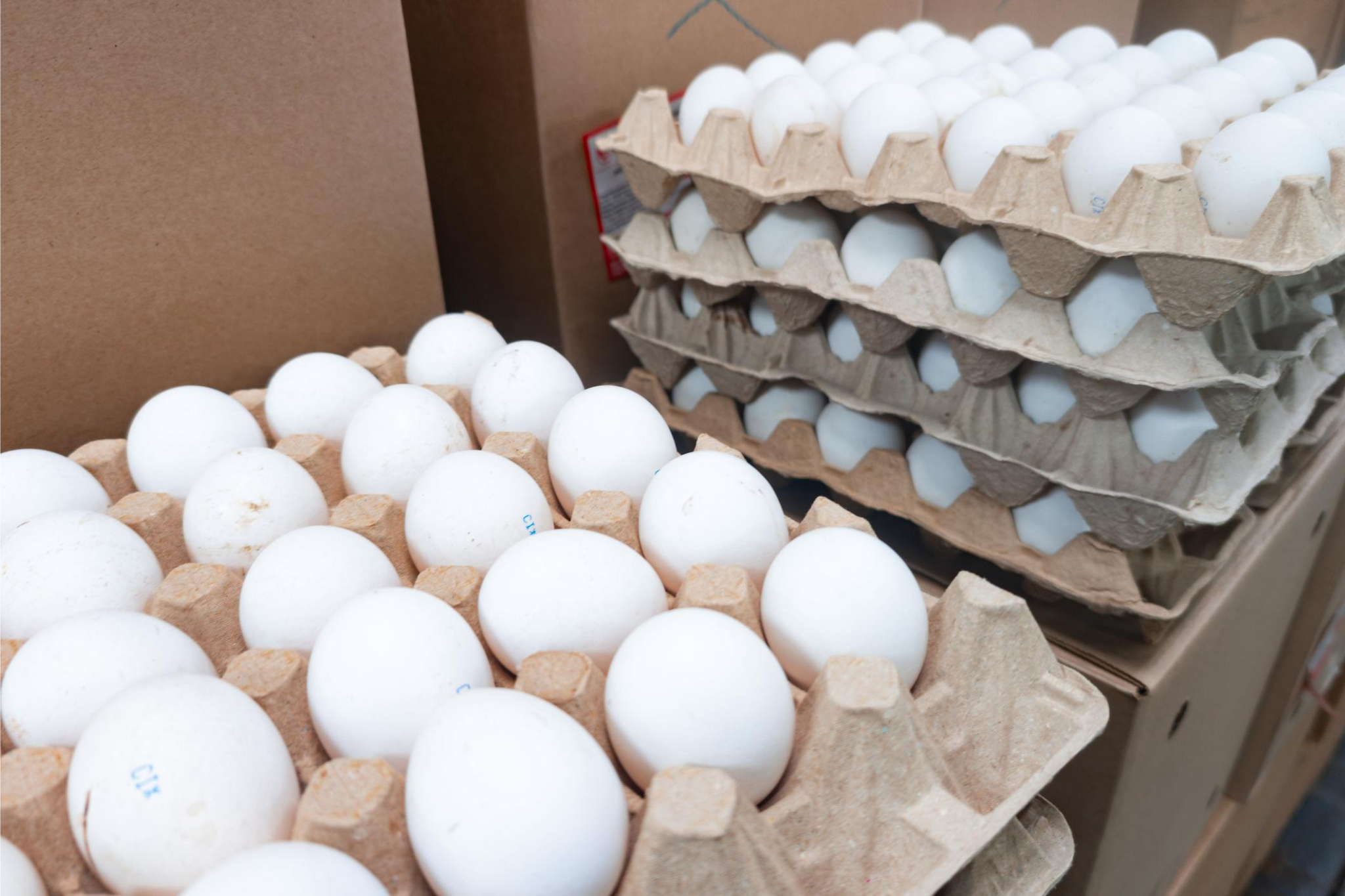
In the egg packaging industry, one common concern often raised by poultry farmers, distributors, and wholesalers is:
Do paper egg trays get damaged easily in moist or humid conditions?
Since paper is generally associated with water absorption, many assume that paper egg trays quickly lose strength when exposed to moisture. But is this assumption completely true?
Let’s break down the facts and uncover whether this belief is a myth or reality.
Understanding Paper Egg Trays
Paper egg trays are made using molded pulp technology, primarily from recycled newspapers, cardboard, and other paper waste. The pulp is processed, molded into shape, pressed, and dried to create a sturdy structure designed specifically to hold and protect eggs.
These trays are widely used because they are:
- Cost-effective
- Lightweight
- Shock-absorbing
- Biodegradable
- Environment-friendly
However, since they are paper-based, moisture exposure is a valid concern.
Why Moisture Affects Paper Products
Paper is naturally hygroscopic, meaning it absorbs moisture from the environment. When exposed to high humidity or water, paper fibers can:
- Swell
- Soften
- Lose structural rigidity
- Reduce load-bearing capacity
This scientific property is the main reason behind the belief that paper egg trays get damaged easily.
But here’s the important part — not all moisture exposure leads to failure.
Myth vs Reality: The Truth About Moist Conditions
✅ Fact: Extreme Moisture Can Weaken Paper Trays
If paper egg trays are:
- Directly exposed to water
- Stored in damp environments
- Kept in areas with very high humidity (above 80%)
- Placed on wet floors
They can lose strength and may collapse under heavy stacking pressure.
So yes — under poor storage conditions, damage can occur.
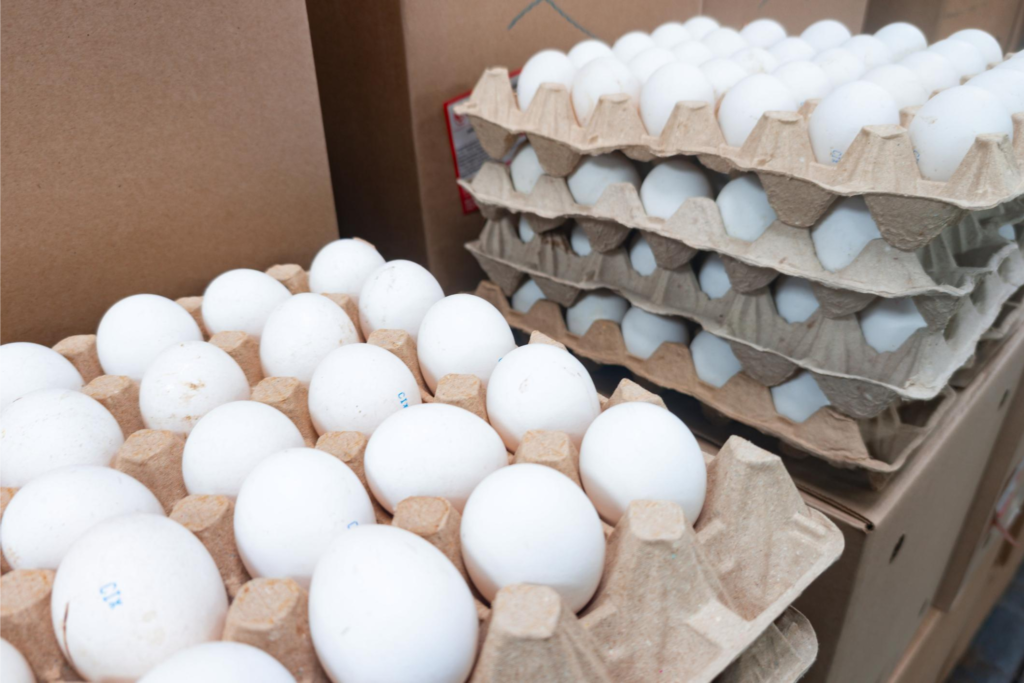
❌ Myth: Normal Humidity Destroys Paper Egg Trays
In regular commercial conditions, paper egg trays perform very well.
Most egg distribution environments maintain:
- Moderate humidity levels
- Proper ventilation
- Dry storage spaces
Under these normal circumstances, paper trays remain stable and protective.
High-quality trays are also:
- Properly dried during manufacturing
- Designed with dense fiber bonding
- Engineered to maintain structure in moderate humidity
So the belief that they “get damaged easily” in all moist conditions is exaggerated.
How Manufacturers Improve Moisture Resistance
Modern manufacturers take several steps to improve durability:
1. High-Pressure Molding
Compresses fibers tightly, increasing structural strength.
2. Proper Industrial Drying
Removes internal moisture completely before packaging.
3. Quality Raw Material Selection
Better recycled fiber improves bonding strength.
4. Optional Moisture-Resistant Additives
Some manufacturers add safe strengthening agents for improved resistance.
As a result, premium paper egg trays are far more durable than many people assume.
Comparing Paper vs Plastic in Moist Conditions
| Feature | Paper Egg Trays | Plastic Egg Trays |
|---|---|---|
| Water Resistance | Moderate | High |
| Shock Absorption | Excellent | Moderate |
| Eco-Friendly | 100% biodegradable | Non-biodegradable |
| Cost | Affordable | Higher |
| Moisture Tolerance | Good (if stored properly) | Very High |
Plastic trays definitely perform better in extreme moisture exposure. However, paper trays provide superior cushioning and sustainability benefits.
For most poultry businesses, moisture levels are manageable — making paper trays a practical and reliable choice.
When Do Paper Egg Trays Actually Fail?
Paper trays are likely to weaken when:
- Stored directly on wet concrete floors
- Exposed to rain during transport
- Kept in non-ventilated storage rooms
- Subjected to long-term high humidity
In contrast, in dry warehouses with proper stacking practices, they remain structurally sound.
Best Practices to Prevent Moisture Damage
If you are a poultry farmer, distributor, or egg trader, follow these tips:
✔ Store in a Dry Area
Keep trays away from damp walls or floors.
✔ Use Wooden Pallets
Avoid direct contact with ground moisture.
✔ Maintain Ventilation
Air circulation reduces humidity buildup.
✔ Avoid Overstacking
Excess weight combined with moisture increases risk.
✔ Cover During Transportation
Protect from rain or condensation.
With these simple precautions, paper egg trays perform reliably even in moderately humid regions.
Environmental Advantage Still Matters
Even if moisture is a concern in certain conditions, paper egg trays offer significant sustainability benefits:
- Fully biodegradable
- Made from recycled materials
- Reduce plastic waste
- Lower carbon footprint
- Compostable after use
As the world shifts toward sustainable packaging, paper trays continue to dominate the poultry packaging industry.
Expert Verdict: Myth or Fact?
So, are paper egg trays easily damaged in moist conditions?
👉 Partially fact — but mostly dependent on storage conditions.
They can weaken under extreme moisture exposure.
However, under standard commercial conditions with proper storage, they remain strong and protective.
The idea that they automatically get damaged in moist conditions is largely a misconception.
Final Conclusion
Paper egg trays are not fragile packaging solutions. They are engineered using molded pulp technology to provide cushioning, shock absorption, and adequate strength for commercial egg handling.
While excessive moisture can reduce durability, simple preventive measures ensure reliable performance.
So the next time someone questions their strength in humid environments, you’ll know the balanced truth:
It’s not about moisture alone — it’s about proper storage and quality manufacturing.